

GLP-1 Drugs for Weight Loss: Cure or Compromise?
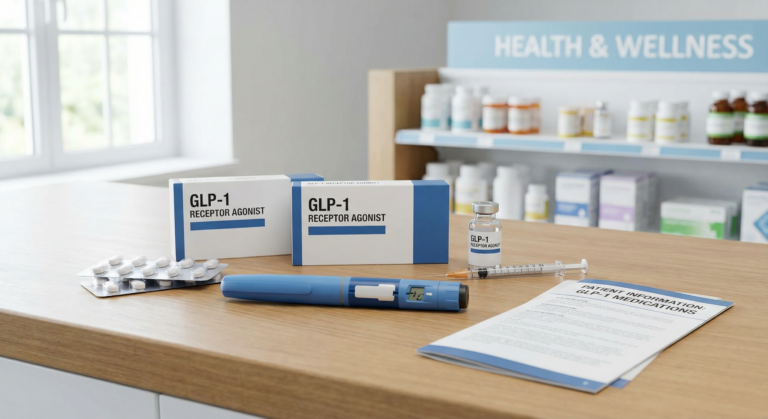
Quietly moved into the mainstream. Celebrities, influencers, and even people around us appear to slim down quickly — often attributing it to “healthy eating and exercise.”
The reality is more complex.
Behind many of these transformations are GLP-1 medications, originally developed for type 2 diabetes and now increasingly used for medical weight management. While the results can be noticeable, these are not lifestyle products or shortcuts. They are prescription medications with real benefits and real risks.
Let’s look at what’s actually happening.
What Are GLP-1 Weight-Loss Injections?
GLP-1 (Glucagon-Like Peptide-1) drugs were originally developed to help manage type 2 diabetes.
How they work:
Suppress appetite
Slow digestion
Increase feelings of fullness
Help regulate blood sugar
The basic idea is simple: reduced appetite can lead to reduced calorie intake and weight loss.
What’s important to understand is that these are powerful prescription medications that require medical supervision — not supplements or wellness trends.
Why These Injections Have Become So Popular
Several factors explain their rapid rise:
Reason | Reality |
Faster results | Weight loss may occur within weeks |
Public visibility | Celebrities and influencers discussing use |
Rising obesity rates | More people seeking effective options |
Expanded access | Telehealth has increased consultations |
Desire for solutions | Demand for treatments that work |
When medical innovation meets real health needs, interest naturally grows. However, popularity does not eliminate the need for caution.
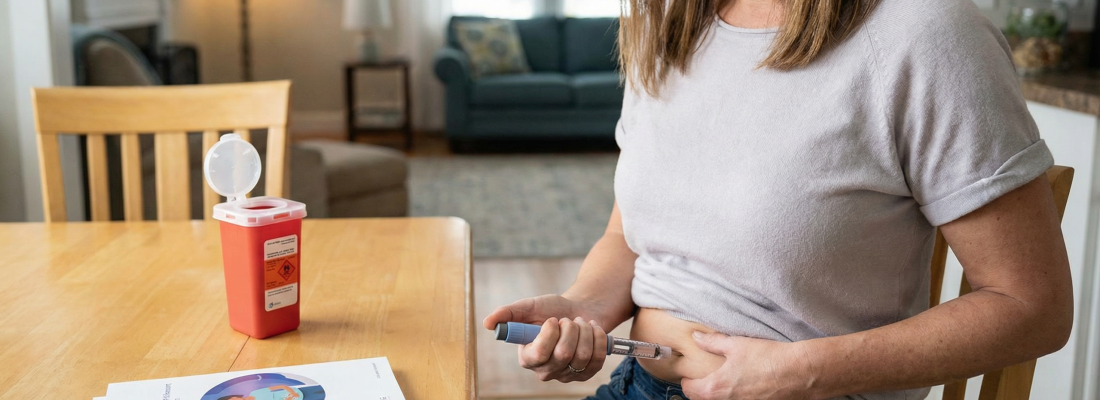
Understanding Proper vs. Improper Use
Healthcare providers are increasingly concerned about how these medications are being used.
Patterns that raise concern:
- Using without proper medical evaluation
- Adjusting doses without professional guidance
- Taking the medication without qualifying health conditions
- Lack of ongoing medical monitoring
- Long-term use without follow-up
GLP-1 medications are FDA-approved for specific medical indications, including obesity and type 2 diabetes. Using them outside recommended guidelines may increase health risks.
Proper patient selection and supervision are critical for safe use.
Side Effects: What Research Shows
Common side effects:
- Nausea
- Vomiting
- Diarrhea or constipation
- Fatigue
- Headaches
Less common but serious side effects:
- Pancreatitis
- Gallbladder problems
- Dehydration
- Loss of muscle mass
- Nutritional deficiencies
Clinical trial data and FDA prescribing information highlight the importance of monitoring, especially during rapid weight loss.
Some individuals also notice changes in facial appearance following significant weight reduction — a topic worth discussing with a healthcare provider.
Who Are These Medications Designed For?
FDA-approved uses include:
- Adults with clinical obesity (BMI 30+)
- Adults with BMI 27+ and weight-related health conditions
- People with type 2 diabetes
- Patients under appropriate medical supervision
Generally not recommended for:
- Individuals without qualifying health conditions
- Pregnant or breastfeeding women
- People with a history of pancreatitis
- Those with eating disorder history
- Individuals seeking alternatives to lifestyle changes
These medications serve important medical purposes when used appropriately. Context matters.
What Happens When You Stop Treatment?
Research shows that discontinuing GLP-1 therapy often leads to a return of appetite regulation toward baseline levels.
For many patients, this can result in weight regain — particularly if sustainable lifestyle habits were not established during treatment.
This is why healthcare providers emphasize combining medication with long-term nutrition, movement, and behavioral changes.

What Medical Experts Recommend Considering
Healthcare professionals often advise patients to think about:
- Long-term research—these medications are relatively new for weight management
- Metabolic effects—rapid weight loss can influence metabolism
- Psychological factors—building a healthy relationship with food matters
- Nutritional intake—eating less may reduce essential nutrients
- Appropriate use—these are medical treatments, not cosmetic tools
A Sustainable Approach to Weight Management
Medication, when prescribed, works best alongside:
- Balanced nutrition
- Regular physical activity
- Adequate sleep
- Stress management
- Patience and consistency
Sustainable results may take longer, but they are more likely to last.
FAQs About GLP-1 Weight-Loss Injections
Are GLP-1 injections safe?
When prescribed appropriately and used under medical supervision for approved conditions, these medications have established safety profiles. Individual risks vary.
How can someone access these medications?
Through consultation with a licensed healthcare provider who can assess eligibility and suitability.
Do people regain weight after stopping?
Many do, especially without lifestyle changes. Long-term planning is essential.
What are the most common side effects?
Digestive symptoms such as nausea and fatigue are commonly reported, particularly during the initial phase.
Final Thoughts from HealthyPOV
GLP-1 weight-loss injections are legitimate medical treatments—not magic solutions.
They offer real benefits for the right individuals, but they also carry risks that deserve careful consideration. The decision to use them should always involve a qualified healthcare provider and a plan that extends beyond the injection itself.
Before starting, ask yourself:
- Have I consulted a medical professional?
- Do I understand the potential risks and benefits?
- Am I prepared for what happens after treatment ends?
Your health deserves informed, thoughtful decisions—not trends.