

Why NHS Winter Crises No Longer Shock the UK
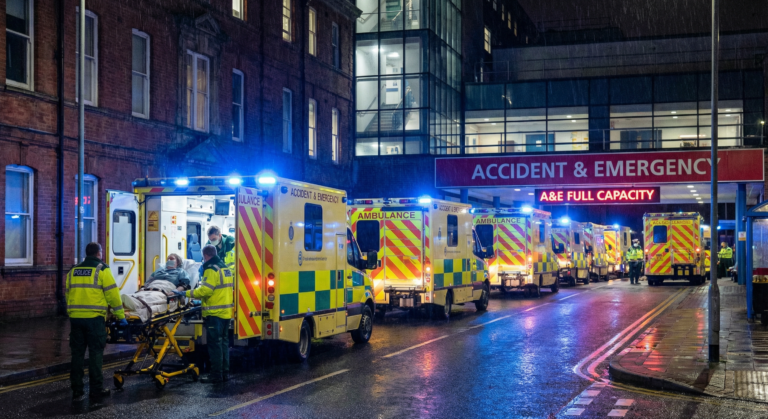
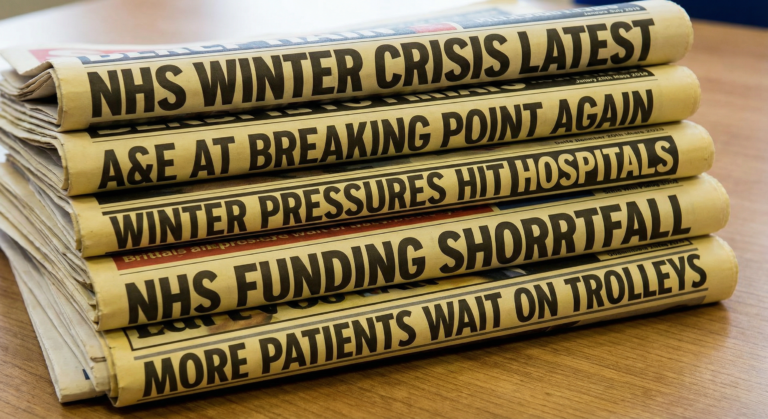
Every December, the same headlines appear. Ambulances queuing outside A&E. Patients on trolleys in corridors. Hospitals declaring critical incidents. And every year, the response from the public seems slightly more muted than the last.
If you have lived in the UK for any length of time, you have probably noticed this too. The annual “NHS winter crisis” story used to feel urgent, alarming, something that demanded immediate attention. Now it reads more like a weather forecast—inevitable, expected, and largely out of your control.
This normalisation matters. Not because we should all be panicking, but because it changes how people make health decisions. And some of those decisions have real consequences.
When crisis becomes routine
The phrase “winter pressures” entered common usage sometime in the 2010s. Before that, a genuine NHS crisis was still news. Hospitals struggling to cope was considered a failure, something that needed fixing. Now it is simply what happens between November and March.
The reasons are well documented. An ageing population means more people with complex, long-term conditions who need more care. Years of constrained funding have left hospitals running at near-full capacity even in summer, with no slack to absorb winter surges. Social care has been hollowed out, meaning patients who are medically fit cannot leave hospital because there is nowhere safe for them to go. Staff shortages persist. And respiratory illnesses—flu, COVID, RSV—spike reliably every winter, flooding already stretched emergency departments.
None of this is new information. That is precisely the problem. We have known about these pressures for over a decade, and each winter the pattern repeats. After a while, the public stops expecting it to be fixed.
I am genuinely uncertain whether this resignation is rational or harmful. Perhaps both. On one hand, getting outraged every December achieves nothing practical. On the other hand, accepting dysfunction as normal might make us less likely to demand change, less likely to protect ourselves, and more likely to avoid seeking care when we actually need it.
What normalisation does to behaviour
Here is the uncomfortable truth: some people now avoid the NHS entirely during winter, even when they should not.
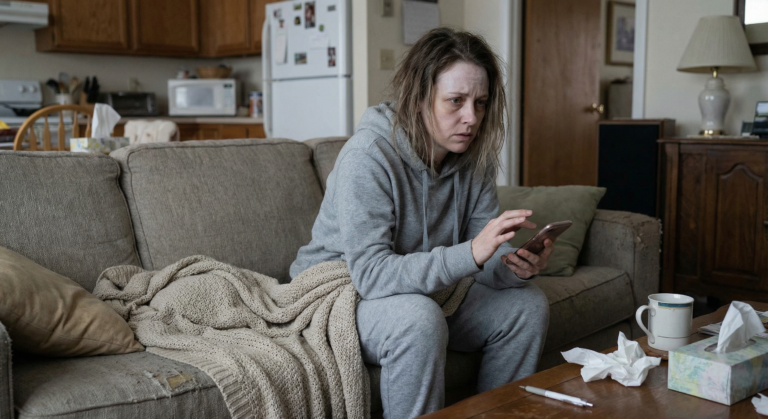
I have spoken to people who delayed getting chest pain checked because they did not want to “clog up A&E.” Others who put off seeing a GP for symptoms that turned out to be serious, partly because getting an appointment felt impossible, and partly because they felt guilty adding to the burden. The instinct to be a “good citizen” and not overload the system can, in some cases, lead to genuinely dangerous delays.
This is not helped by mixed messaging. For years, the public has been told not to use A&E for minor issues, to call 111 first, to see a pharmacist for coughs and colds. All reasonable advice. But the line between “minor issue that can wait” and “early sign of something serious” is not always clear. And when people are uncertain, the prevailing atmosphere of crisis can tip them toward doing nothing.
Conversely, some people have gone the other way. Knowing that NHS services are overwhelmed, they pay for private care—those who can afford it. Others stockpile medications, convinced that getting a GP appointment when they actually need one is too unreliable. A few have adopted a siege mentality, treating winter as a period to simply survive until the NHS becomes functional again in spring.
None of these responses are irrational given the circumstances. But they reflect a breakdown in trust that has real health implications.
The trade-offs nobody talks about honestly
One of the most frustrating aspects of this debate is how polarised it has become. On one side, people insist the NHS is the best healthcare system in the world and any criticism is treasonous. On the other, critics claim the whole model is broken beyond repair and should be replaced with something else—usually left vague.
Neither position helps the person trying to decide whether to call 999 at 2am on a Tuesday in January.
The reality is messier. The NHS does some things exceptionally well. Cancer survival rates have improved. Emergency trauma care is genuinely world-class. Childhood vaccinations remain highly effective. Many people receive excellent care from dedicated staff working in impossible conditions.
But access has become genuinely difficult in ways that affect health outcomes. If you cannot get a GP appointment for two weeks, minor conditions can worsen. If ambulance response times stretch to hours for category 2 calls—stroke, heart attack—people die who would not have died a decade ago. This is not hyperbole; it is documented in NHS England’s own data.
The trade-off that few want to acknowledge is this: we have a healthcare system that is free at the point of use, comprehensive in scope, and chronically underfunded relative to demand. You cannot have all three indefinitely. Something gives, and what gives is access—the queue gets longer, the wait gets harder, and people either cope, pay elsewhere, or suffer.
I do not have a solution to this. Nobody does, or at least nobody with the power to implement one. But pretending the problem does not exist, or that it will resolve itself with one more reorganisation, helps no one.
What you can actually do
Given all this, what is a practical response for someone trying to stay healthy through a UK winter?
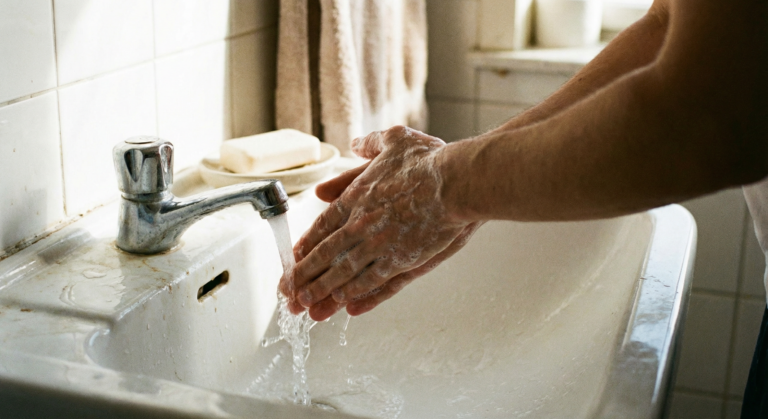
First, prevention becomes more important than ever when access to treatment is uncertain. This is not about wellness fads or expensive supplements. It means boring, basic things: getting your flu jab and COVID booster if you are eligible, washing your hands properly, not going to work when you are genuinely ill and contagious. The flu vaccine is not perfect—effectiveness varies year to year, typically between 40% and 60%—but reducing your chances of severe illness by even half is significant when hospitals are already overwhelmed.
Second, know your own risk level. If you are over 65, have a chronic condition like diabetes or heart disease, or are immunocompromised, you are more vulnerable to winter respiratory infections and their complications. This does not mean living in fear, but it does mean being realistic. If you develop symptoms that worry you, do not wait for days hoping it will resolve. The earlier serious conditions are caught, the easier they are to treat.
Third, learn to use the system strategically—not to game it, but to navigate it effectively. NHS 111 is genuinely useful for deciding whether you need A&E, urgent care, or can wait for a GP. Many pharmacies now offer consultations for minor ailments and can refer you onward if needed. Some GP surgeries have same-day urgent slots that are not visible when booking online. It is worth asking.
Fourth, be prepared for minor illnesses at home. Keep a basic medicine supply: paracetamol, ibuprofen, a thermometer, rehydration sachets. Know when a fever is concerning (persistent above 39°C in adults, any fever in babies under 3 months) versus when it is just unpleasant. The NHS website has genuinely good symptom checkers that can help you distinguish between “wait and see” and “seek help now.”
Fifth—and this is the compromise nobody likes—accept that you may need to wait, and plan accordingly. If you have a non-urgent condition that needs investigating, trying to get it seen before December or waiting until March may be more realistic than fighting for appointments in January. This is not how healthcare should work, but it is how it does work.
The honest conclusion
NHS winter crises no longer shock us because we have absorbed them into our expectations. This is understandable. It is also a problem, because normalising dysfunction means we adjust our behaviour in ways that are not always healthy—avoiding care we need, paying for care we should not have to, or simply accepting worse outcomes as inevitable.
There is no inspirational message here. The system has significant problems that individuals cannot solve through positive thinking or better lifestyle choices. But within that reality, you can make decisions that reduce your personal risk: prevent what is preventable, recognise warning signs, use available resources sensibly, and do not let guilt about “burdening the NHS” stop you from seeking help when something is genuinely wrong.
Your health still matters, even when the system is struggling. That, at least, has not changed.