

Weight Loss Without Gym: What Really Works
Gym memberships are expensive. Commuting takes time. Equipment intimidates beginners. And somehow, between work deadlines, family responsibilities, and daily chaos, that shiny fitness centre membership gathers digital dust.
If this sounds familiar, you’re not alone.
The question many people ask is straightforward: Is weight loss without gym genuinely possible, or is it just wishful thinking sold by internet marketers?
The honest answer lies somewhere between the extremes. Yes, you can lose weight without stepping into a gym—but it requires understanding what actually drives fat loss, avoiding common traps, and setting realistic expectations.
Let’s separate science from speculation.
Why People Look for Weight Loss Without Gym
The reasons extend far beyond laziness—despite what fitness influencers might suggest.
Time constraints top the list. Working professionals often face 10-12 hour workdays. Adding commute time to a gym makes fitness feel like a second job. Parents juggling childcare find dedicated gym sessions nearly impossible.
Cost concerns matter too. Quality gym memberships, personal trainers, and supplements create recurring expenses that strain monthly budgets. For many families prioritising education, healthcare, or savings, this becomes an uncomfortable trade-off.
Social anxiety affects more people than commonly acknowledged. Crowded gyms, unfamiliar equipment, and perceived judgment create genuine psychological barriers—particularly for beginners or those significantly overweight.
Accessibility issues also play a role. Not everyone lives near well-equipped fitness facilities. Safety concerns about late-night travel, especially for women, add another layer of complexity.
These aren’t excuses. They’re practical realities that deserve practical solutions.
The Science Behind Non-Gym Weight Loss
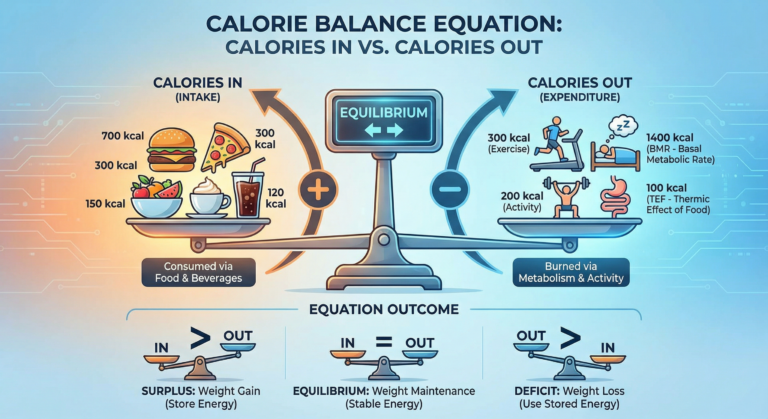
Here’s what matters most: weight loss fundamentally depends on energy balance.
When you consume fewer calories than your body burns, you lose weight. When you consume more, you gain. This principle—called calorie deficit—operates regardless of whether those calories are burned in an air-conditioned gym or during household activities.
The World Health Organization confirms that physical activity contributes to weight management, but emphasises that dietary patterns play an equally critical role. Research published in obesity journals consistently demonstrates that diet modifications produce more significant weight loss than exercise alone.
This doesn’t mean exercise is useless. Movement improves cardiovascular health, builds muscle, enhances mood, and helps maintain weight loss long-term. However, the notion that you must have gym access to lose weight misunderstands how fat loss actually works.
Your body doesn’t care where you moved. It responds to whether you moved—and more importantly, what you ate.

Practical Methods That Genuinely Work
Let’s move beyond theory into actionable strategies.
Dietary Modifications: The Foundation
No amount of home exercise compensates for consistently poor eating habits. Consider these evidence-based approaches:
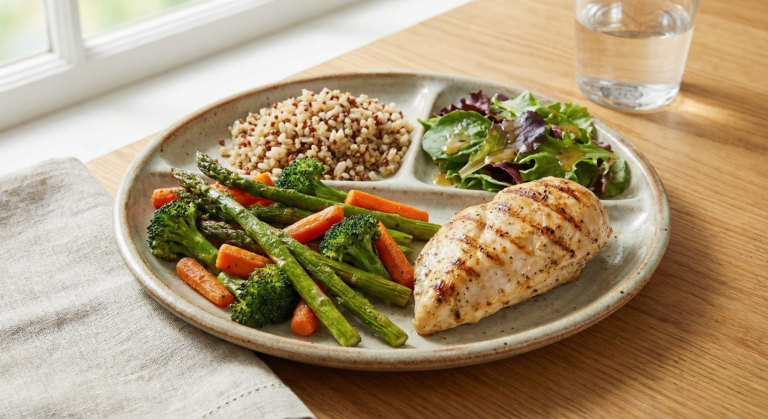
Portion awareness proves more sustainable than strict dieting. Using smaller plates, measuring oil while cooking, and reducing second helpings create meaningful calorie reductions without feeling deprived.
Protein prioritisation helps manage hunger. Including adequate dal, eggs, paneer, chicken, or legumes in meals promotes satiety and preserves muscle during weight loss.
Reducing liquid calories offers quick wins. Sweetened tea, packaged fruit juices, and sugary beverages contribute significant hidden calories. Switching to water, plain buttermilk, or unsweetened options creates immediate impact.
Home cooking naturally reduces calorie intake compared to restaurant meals, which typically contain more oil, butter, and hidden sugars.
Movement Without Equipment
The human body itself provides sufficient resistance for effective exercise.
Walking remains underrated. Research supports that 30-45 minutes of brisk walking daily contributes meaningfully to calorie expenditure. Morning walks, evening strolls, or breaking this into smaller segments—all work.
Bodyweight exercises require zero equipment: squats, lunges, push-ups (modified versions for beginners), planks, and climbing stairs. These movements build functional strength and burn calories.
Household activities count too. Vigorous cleaning, washing clothes by hand, playing actively with children, gardening—these activities accumulate significant energy expenditure over time.
Non-Exercise Activity Thermogenesis (NEAT)
NEAT refers to calories burned through daily movements that aren’t formal exercise—fidgeting, standing, walking while talking on phone, taking stairs instead of elevators.
Studies suggest NEAT can vary by up to 2000 calories daily between individuals. Consciously increasing these small movements creates cumulative effects without dedicated workout sessions.
Comparing Gym-Based vs Home-Based Weight Loss
Factor | Gym Approach | Home/Non-Gym Approach |
Equipment variety | Extensive | Limited to bodyweight |
Cost | Monthly fees + travel | Minimal to none |
Time commitment | Higher (including travel) | More flexible |
Expert guidance | Trainers available | Self-directed (requires research) |
Muscle building potential | Higher (heavier weights) | Moderate (sufficient for beginners) |
Sustainability | Depends on consistency | Often higher due to convenience |
Weight loss effectiveness | Effective if diet controlled | Equally effective if diet controlled |
The critical insight: both approaches can work. Neither holds inherent superiority for weight loss specifically. The “best” approach is whichever one you’ll actually sustain long-term.
Someone who consistently walks daily and eats mindfully will outperform someone with an unused gym membership and unchanged eating habits.
Myths vs Facts: Weight Loss Without Gym
Myth 1: “You need intense exercise to lose weight”
Fact: Moderate, consistent activity combined with dietary control produces sustainable results. Intensity matters less than consistency and calorie balance.
Myth 2: “Home workouts can’t build muscle”
Fact: Bodyweight exercises build functional muscle, particularly for beginners. Progressive variations (single-leg squats, decline push-ups) continue challenging muscles without weights.
Myth 3: “Walking is too easy to cause weight loss”
Fact: Walking burns approximately 300-400 calories per hour depending on pace and body weight. Accumulated over weeks, this creates meaningful deficits. Research from multiple studies confirms walking’s effectiveness for weight management.
Myth 4: “Without gym equipment, you’ll hit a plateau quickly”
Fact: Plateaus occur regardless of setting—usually due to metabolic adaptation or unconscious calorie creep. Adjusting dietary intake and varying activities addresses plateaus in any environment.
Myth 5: “Diet alone is enough; movement doesn’t matter”
Fact: While diet drives weight loss, physical activity improves body composition, metabolic health, and maintenance success. Combining both optimises outcomes.
What Health Experts Say
Medical professionals maintain balanced perspectives on non-gym weight loss.
The World Health Organization recommends adults engage in 150-300 minutes of moderate-intensity aerobic activity weekly—without specifying gym requirement. Walking, cycling, swimming, active play, and even vigorous housework qualify.
According to systematic reviews published in PubMed databases, dietary interventions produce greater initial weight loss than exercise interventions alone. However, exercise significantly improves long-term weight maintenance and overall metabolic health markers.
Registered dietitians consistently emphasise that sustainable weight loss requires addressing eating patterns first. Exercise supports the process but rarely compensates for nutritional imbalances.
Physiotherapists note that home-based movement programs show comparable adherence rates to gym programs when properly structured—sometimes higher, given convenience factors.
The consensus: gym access is beneficial but not mandatory. What matters is creating consistent movement habits alongside mindful eating.
Creating a Sustainable Long-Term Plan
Short-term thinking creates short-term results. Here’s how to build lasting habits:
Start Smaller Than You Think Necessary
Beginning with 15-minute daily walks beats planning hour-long sessions you’ll skip. Consistency builds momentum; intensity can increase gradually.
Focus on Behaviour, Not Just Outcomes
Rather than fixating on weight numbers, track behaviours: “Did I walk today? Did I eat home-cooked meals? Did I sleep adequately?”
Address Sleep and Stress
Poor sleep disrupts hunger hormones, increasing cravings and reducing willpower. Chronic stress elevates cortisol, promoting fat storage particularly around the midsection. No amount of exercise overcomes consistently poor sleep and high stress.
Build Environment-Based Triggers
Keep walking shoes visible. Prepare healthy snacks in advance. Store tempting foods out of immediate sight. Environment shapes behaviour more reliably than willpower.
Expect Non-Linear Progress
Weight fluctuates due to water retention, hormonal cycles, and digestive contents. Weekly averages matter more than daily numbers. Plateaus lasting 2-3 weeks are normal, not failures.
Practical Takeaways: Setting Realistic Expectations
If you’re considering weight loss without gym access, here’s grounded guidance:
Expect gradual progress. Healthy weight loss ranges between 0.5-1 kg weekly. Faster losses typically involve muscle and water, creating rebound potential.
Prioritise dietary changes. This contributes roughly 70-80% of weight loss outcomes. Walking for an hour burns approximately one samosa’s worth of calories—a humbling perspective on exercise-only approaches.
Move in ways you enjoy. Forced exercise creates resentment. Dancing, playing with children, evening walks with family, cycling for errands—sustainable movement fits your life.
Don’t demonise any food group entirely. Extreme restrictions backfire. Moderation, portion control, and gradual improvements outlast dramatic overhauls.
Consider professional guidance if stuck. Registered dietitians and certified fitness professionals offer personalised strategies. Online consultations make expertise accessible without gym visits.
Be patient with yourself. Bodies respond differently. Comparing your journey to social media transformations creates unrealistic benchmarks. Focus on your own consistent progress.
Final Thoughts
Weight loss without gym is neither magical shortcut nor impossible dream. It’s simply a different path toward the same destination—one that suits many people’s circumstances better than traditional fitness centre memberships.
The fundamentals remain unchanged: eat mindfully, move regularly, sleep adequately, manage stress, and maintain patience. Gyms offer tools, not guarantees. Home-based approaches offer convenience, not excuses.
What truly matters is finding sustainable practices that fit your lifestyle, budget, and preferences—then maintaining them long enough for results to compound.
The best weight loss program is the one you’ll actually follow.