

"Low Immunity" Isn't What Most People Think: What's Actually Going On When You Keep Getting
The Quiet Pattern Nobody Talks About
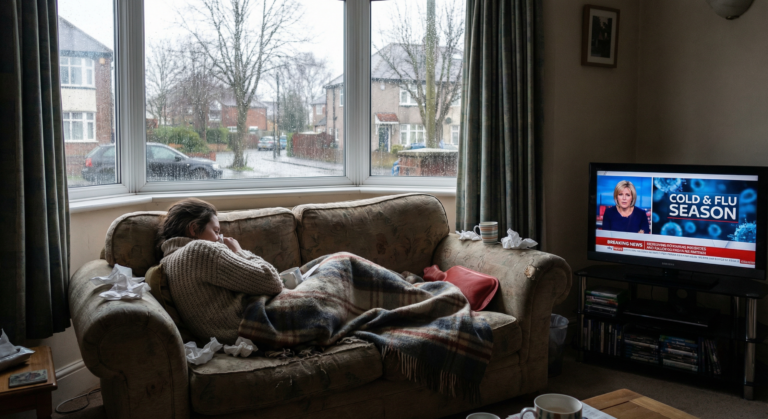
There’s a particular kind of tired that sits behind your eyes. Not sleepy, exactly. More like your body is running on something less than full capacity — like a phone perpetually stuck at 18% battery. You catch whatever’s going around. Again. The cold that flattened your colleague for three days takes you out for a week and a half. And somewhere in the back of your mind, a thought keeps surfacing: maybe my immune system just isn’t very good.
I’ve heard this from friends, colleagues, family members. The phrase “low immunity” gets thrown around like it’s a diagnosis, a fixed state, something you either have or you don’t. It’s the explanation people reach for when they’re catching their fourth cold since September, when the antibiotics seem to be doing less than they used to, when they’re just… run down. Constantly.
But here’s the thing — and this is what took me years to understand properly — “low immunity” as most people imagine it isn’t really how the immune system works. The reality is both more complicated and, oddly, more hopeful.
What Your Immune System Is Actually Doing
The immune system isn’t a single thing that can be turned up or down like a thermostat. It’s more like an orchestra — dozens of different instruments, all needing to play their parts at the right time, in the right way. When people talk about “boosting” their immune system, they’re imagining something like turning up the volume. But an overactive immune system isn’t healthy either. That’s what causes autoimmune conditions, allergies, chronic inflammation.
What I’ve noticed, again and again, is that people who describe themselves as having “weak immune systems” are often dealing with something else entirely. Sometimes it’s chronic stress that’s suppressing immune function. Sometimes it’s a nutrient deficiency — vitamin D being the obvious culprit in the UK. Sometimes it’s genuinely poor sleep, or an underlying condition that hasn’t been identified. And sometimes — this is the boring answer — it’s just a run of bad luck combined with being around a lot of people.
The immune system of a generally healthy adult is, for the most part, working fine. When we get ill frequently, the question isn’t usually “is my immune system broken?” but rather “what’s getting in the way of it doing its job?”
That distinction matters more than it might seem.
What Most People Get Wrong About Immunity
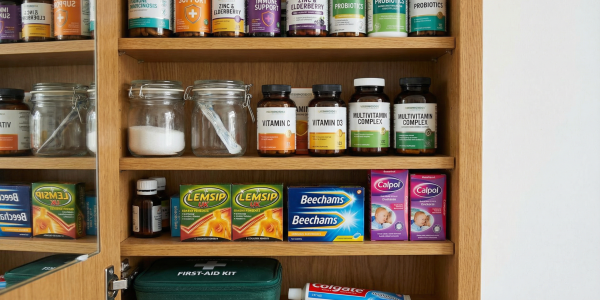
Here’s what frustrates me, genuinely. The wellness industry has made an enormous amount of money selling people the idea that their immune systems are fundamentally inadequate and need constant supplementation, special diets, or expensive interventions to function.
The truth? For most people, that’s simply not the case.
There’s no such thing as “boosting” your immune system in the way adverts imply. You can support it. You can avoid suppressing it. But the image of pouring immunity into your body like fuel into a car — it’s not how biology works. Those vitamin C sachets you’re dissolving into water every morning? The evidence that they prevent colds is actually quite weak. They might shorten a cold slightly once you have one. Might.
What nobody tells you — and this still irritates me — is that most of what actually helps immune function is boring. Sleep. Managing stress. Basic nutrition. Not smoking. Moderate exercise. There’s no patent on that, so nobody’s advertising it.
The obsession with “boosting” also distracts from something more useful: understanding why you specifically might be getting ill more often. That’s a question worth asking. But it requires honesty about lifestyle, stress, sleep — not just reaching for another supplement.
Why This Hits Differently in the UK

Living in Britain comes with some specific challenges for immune health, and it’s worth being honest about them.
First, the obvious: we don’t get enough sunlight for roughly six months of the year. From October to March, the sun isn’t strong enough for our skin to produce vitamin D, even on the rare clear days. The NHS now recommends that everyone in the UK considers taking a vitamin D supplement during autumn and winter. This isn’t wellness culture — it’s official guidance, and it exists because deficiency is genuinely common here.
Then there’s the way we work. The UK has a particular culture around illness and soldiering on — that reluctance to “make a fuss,” to phone in sick, to admit you’re not coping. I’ve watched people drag themselves onto packed commuter trains, coughing and miserable, because they’ve got a meeting they “can’t miss.” We spread infections more because we refuse to rest, then wonder why everyone’s always ill.
The grey winters don’t help either. Not just for vitamin D, but for mood, motivation, the kind of low-level seasonal slump that makes you reach for comfort food and skip the walk you’d meant to take. By February, half the country is running on biscuits and determination.
And then there’s the NHS itself. Brilliant, essential, stretched impossibly thin. Getting a GP appointment when you want to discuss something vague like “I keep getting ill” can feel like a battle. So people don’t. They Google. They self-diagnose. They buy supplements. And sometimes they miss things that actually needed attention.
What Actually Helps

I’m aware this is the section where you’re expecting a list of fixes. And there are things that genuinely help — but I want to be honest about what’s realistic for actual humans with jobs and lives and finite energy.
Sleep is non-negotiable, but that’s easier said than done. The evidence linking poor sleep to impaired immune function is solid. Your body does crucial repair work while you sleep, including producing cytokines that help fight infection. The advice is 7-9 hours for most adults. The reality? You’re up late finishing work, scrolling your phone, lying awake thinking about tomorrow. I don’t have a magic fix for that. But even small improvements — a slightly earlier bedtime, keeping the bedroom cooler, cutting caffeine after 2pm — can add up. Not perfectly. But measurably.
Stress management sounds like wellness nonsense, but chronic stress genuinely suppresses immune function. Cortisol, the stress hormone, is useful in short bursts. But when it’s elevated constantly — and for a lot of us, it is — it interferes with your body’s ability to fight off pathogens. This doesn’t mean you need to meditate for an hour every day. Even brief recovery periods help. Ten minutes of walking. Actually taking a lunch break. Saying no to one thing.
In theory, you’d address your stress properly. In practice, you’re already stretched thin and “reduce stress” feels like just another demand. I get it. Start smaller than you think. It still counts.
Vitamin D supplementation during autumn and winter is worth doing. This is one area where the evidence is reasonably clear, and it’s cheap. A standard 10 microgram (400 IU) supplement through the darker months is what the NHS suggests. Some people benefit from more, but that’s worth discussing with a GP.
Basic nutrition matters more than superfoods. Your immune system needs protein, zinc, vitamin C, vitamin A, iron. You don’t need açai bowls or spirulina. You need reasonably balanced meals, enough protein, some vegetables. Not every meal. But regularly. The boring truth is that eating “well enough” is more important than eating “perfectly.”
Moderate exercise helps; excessive exercise doesn’t. There’s a sweet spot. Regular, moderate activity supports immune function. Training for a marathon while under-eating and under-sleeping does the opposite. If you’re run down and pushing through intense workouts, you may actually be making things worse.
Stop soldiering on when you’re ill. This is cultural, especially in the UK, and it’s hard to shift. But presenteeism — dragging yourself to work while sick — prolongs your illness, spreads infection to others, and teaches your nervous system that rest isn’t allowed. If you can possibly stay home when you’re genuinely unwell, do. If your workplace makes that difficult, that’s a workplace problem, not a failing on your part.
When This Is Actually Worth Seeing Your GP About

I’ll be honest — I avoided going to the GP about this sort of thing for years. It felt vague, like I’d be wasting their time. “I just seem to catch everything” didn’t feel like a real reason to book an appointment.
But there are patterns that do warrant investigation.
If you’re getting significantly more infections than you used to — and we’re talking a genuine change, not just a bad winter — that’s worth mentioning. If infections are taking much longer to clear than they used to, or if you’re needing antibiotics frequently, a GP should know. Recurring infections in the same place (urinary tract infections, chest infections, skin infections) can sometimes indicate an underlying issue.
Unexplained fatigue that doesn’t improve with rest is worth taking seriously. So is unexplained weight loss.
The NHS 111 service can help you figure out whether something warrants a GP visit if you’re unsure. And if you’re struggling to get a routine appointment, some practices offer telephone consultations or online forms that can at least get the conversation started.
The things that might be quietly suppressing your immune function — undiagnosed diabetes, vitamin deficiencies, thyroid issues, chronic infections — are all identifiable with fairly straightforward tests. You’re not wasting anyone’s time by asking.
Where This Leaves You
I realise I’ve spent most of this article telling you that “low immunity” probably isn’t the right frame for what you’re experiencing. That might be frustrating if you came here looking for a simple answer.
But I think there’s something reassuring in it, too. Your immune system probably isn’t broken. It’s probably doing its job under difficult circumstances — circumstances you might actually be able to change, at least partially.
This isn’t about blaming yourself for getting ill. It’s about shifting from “my body is failing me” to “what’s getting in the way?” Those are different questions, and they lead to different places.
Some of what affects immune function isn’t in your control. Genetics. Age. Underlying conditions. The sheer volume of viruses circulating in a British winter. But some of it is — not perfectly, not completely, but enough to make a difference.
Sleep a bit more. Stress a bit less. Take the vitamin D. Rest when you’re ill. It’s not glamorous. It won’t sell supplements. But it’s what actually seems to help.
And if you’ve done all that and you’re still struggling? That’s when it’s genuinely worth pushing for answers. You’re allowed to ask.
This article offers general information based on current understanding and NHS guidance. It’s not a substitute for personalised medical advice — if you’re concerned about your health, speak with your GP.
EXTERNAL AUTHORITY SOURCES
NHS — Vitamins and Minerals (Vitamin D): https://www.nhs.uk/conditions/vitamins-and-minerals/vitamin-d/
NHS — How to Get to Sleep: https://www.nhs.uk/live-well/sleep-and-tiredness/how-to-get-to-sleep/
British Society for Immunology — Public Information: https://www.immunology.org/public-information
[…] […]
[…] […]