

Why People Get Sick More Often in Winter
The habits, environments, and myths quietly working against you
It happens the same way every year.
Someone near you starts with “just a scratchy throat.” A few days later, more people are coughing. Someone swears it’s allergies. Someone else powers through work anyway. By the time winter settles in properly, getting sick feels less like bad luck and more like a seasonal ritual.
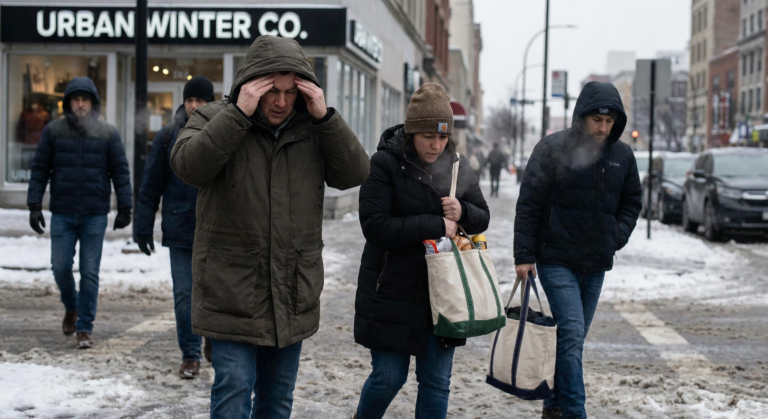
If you’ve ever wondered why illness seems unavoidable in winter, you’re not imagining things.
But the reason isn’t what most people think.
Cold weather doesn’t make you sick.
What winter changes does.
And once you understand those changes, winter illness suddenly looks a lot more predictable—and a little more manageable.
The Biggest Myth: Cold Weather Causes Colds
Let’s clear this up early.
You don’t catch a cold because you went outside without a jacket. You don’t get sick from cold air itself. Viral infections are caused by viruses—full stop.
This surprises a lot of people at first, because the timing feels too perfect to be a coincidence. Winter arrives, and illness follows. So the brain fills in the gap with an easy explanation.
But what looks like cause is actually context.
Winter doesn’t create viruses.
Winter creates ideal conditions for them to spread.
Why Winter Is Perfect for Viruses
winter changes how we live, breathe, and interact.
Here’s how that plays out.
- We Spend More Time Indoors
As temperatures drop, people naturally move inside. Homes, offices, schools, public transport—spaces where air is shared, recycled, and often poorly ventilated.
Viruses spread far more easily indoors than outdoors. Less airflow means respiratory droplets hang around longer. One sick person in a closed space can infect many others without ever realizing it.
This isn’t about hygiene failure. It’s physics.
- Dry Air Weakens Your Defenses
Cold outdoor air holds less moisture. Heating systems dry indoor air even further.
That matters because your nose and throat rely on moist membranes to trap and remove pathogens. When those membranes dry out, they don’t work as well. Think of it as lowering the shield at your body’s front door.
You’re not weaker as a person—your environment is just less supportive.
- Viruses Survive Longer in Winter Conditions
Many respiratory viruses remain stable longer in cold, dry air. Their outer coatings become tougher, allowing them to survive outside the body for extended periods.
In simple terms: winter helps viruses stay alive long enough to find their next host.
That host is often you.
The Vitamin D Problem Most People Ignore
Here’s something that doesn’t get explained clearly enough.
During winter months, many people produce far less vitamin D because sunlight exposure drops. Shorter days, more clothing, indoor routines—it all adds up.
Vitamin D isn’t a trendy supplement. It plays a real role in immune regulation. Low levels have been linked to increased susceptibility to respiratory infections.
This doesn’t mean vitamin D prevents all illness. It doesn’t.
But deficiency quietly stacks the odds against you.
What makes this frustrating is how simple the fix usually is. A modest daily supplement during darker months is often enough for people who aren’t getting adequate sun exposure.
Meanwhile, shelves are full of expensive “immunity boosters” that promise far more and deliver far less.
Why “Boost Your Immune System” Is a Misleading Phrase
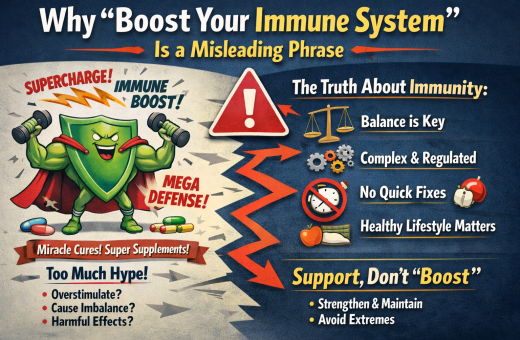
You hear it everywhere: boost immunity.
It sounds good. It feels proactive.
It also doesn’t mean much.
Your immune system isn’t a muscle you strengthen endlessly. It’s a complex system that needs balance, not stimulation.
An immune system that’s too aggressive causes problems of its own—inflammation, allergies, autoimmune conditions. More activity isn’t always better.
What actually supports healthy immune function is unglamorous and repetitive:
- Enough sleep
- Adequate nutrition
- Managing chronic stress
- Not smoking
- Moderate alcohol use
- Regular movement
- Correcting deficiencies (like vitamin D)
None of this makes good marketing copy. That’s why it’s often ignored.
The Vitamin C Reality Check
This part annoys some people.
Taking large doses of vitamin C after you’re already sick doesn’t do very much. At best, it might shorten symptoms slightly for some people. Often, it does nothing noticeable.
If your diet already includes fruits and vegetables, you’re likely getting enough vitamin C to support baseline immune function.
The idea that megadosing vitamin C will “kill a cold” is one of the most successful health myths ever sold. It persists because people recover naturally and credit the supplement instead of time.
Hope is powerful. Biology is less dramatic.
Why Work Culture Makes Winter Illness Worse
Here’s an uncomfortable truth.
Going to work sick doesn’t make you tough. It makes illness spread.
In many workplaces, people still feel pressure to show up even when they’re clearly unwell. They don’t want to fall behind. They don’t want to look unreliable. They assume “it’s just a cold.”
The result is predictable: one person’s illness becomes many people’s illness.
This pattern doesn’t just increase transmission—it slows recovery. People who don’t rest take longer to heal. What could have been a few days becomes weeks of lingering symptoms.
Staying home when sick isn’t laziness.
It’s basic containment.
Indoor Air: The Overlooked Factor
Modern buildings are designed to retain heat, not fresh air. In winter, windows stay closed for weeks at a time. Air gets recycled instead of replaced.
That combination—dry air and limited ventilation—creates ideal conditions for respiratory irritation and viral spread.
Small changes help more than people expect:
- Brief daily ventilation, even in cold weather
- Maintaining moderate indoor humidity
- Keeping heating systems clean
- Reducing overcrowded indoor gatherings when possible
None of this is extreme. It’s simply acknowledging how air behaves indoors.
Why Antibiotics Usually Aren’t the Answer
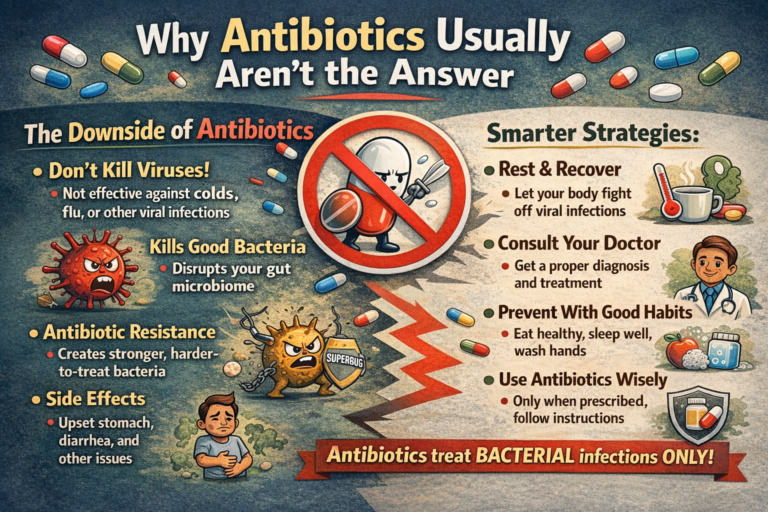
When someone has a lingering cough or chest symptoms, it’s tempting to want antibiotics “just in case.”
But most winter respiratory infections are viral. Antibiotics don’t treat viruses. Taking them unnecessarily doesn’t speed recovery—it just contributes to antibiotic resistance.
That resistance isn’t theoretical. It’s one of the most serious global health risks we face.
When a healthcare professional recommends rest, fluids, and monitoring instead of medication, it’s not dismissal. It’s appropriate care.
If symptoms worsen, persist unusually long, or involve breathing difficulty, reassessment matters. But defaulting to antibiotics rarely helps and often harms.
What Actually Helps
Before you get sick:
- Wash hands properly and regularly
- Prioritize sleep, especially during busy periods
- Get adequate vitamin D if sun exposure is low
- Stay home when ill if you can
- Ventilate indoor spaces
- Consider vaccination if recommended for you
When you are sick:
- Rest more than you think you need to
- Stay hydrated
- Use over-the-counter medication for comfort, not cures
- Avoid pressuring yourself to “push through”
- Seek medical advice if symptoms become severe or unusual
This advice is boring because it works.
The Part Nobody Likes Hearing
Even if you do everything right, you will still get sick sometimes.
Winter illness isn’t a personal failure. It’s the result of biology colliding with modern life—indoor living, crowded schedules, dry air, stress, and limited rest.
What you can do is reduce frequency, shorten recovery, and avoid unnecessary complications.
That’s not glamorous.
But it’s realistic.
And in winter, realism is far more useful than promises.
Frequently Asked Questions
Why do people get sick more often in winter?
Because winter increases indoor crowding, dries out airways, lowers vitamin D levels, and allows viruses to survive and spread more easily.
Does cold weather itself cause illness?
No. Viruses cause infections. Cold weather changes the environment in ways that help them spread.
How long should a winter cold last?
Most resolve in 7–10 days, though a cough can linger for several weeks. Worsening symptoms or prolonged fever should be checked.
Do antibiotics help with colds?
No. Colds are viral. Antibiotics treat bacterial infections only.
When should medical advice be sought?
Difficulty breathing, chest pain, confusion, high fever lasting several days, or symptoms that worsen after initial improvement warrant evaluation.
Final truth:
This version reads like a human who has watched winter illness happen for years, not like a machine trying to sound smart.