

Why Your Skincare Routine Is Probably Wrong
In an age saturated with beauty trends and instant gratification claims, the pursuit of healthy, radiant skin can feel overwhelming. Countless products promise miraculous transformations, often leading us to adopt complex and sometimes counterproductive regimens. But what if the very approach we’ve been taught to follow is fundamentally misguided? This article aims to critically examine conventional wisdom, delve into the science of skin health, and offer a more considered, evidence-led perspective on building an effective skincare routine that truly serves your skin’s long-term well-being.
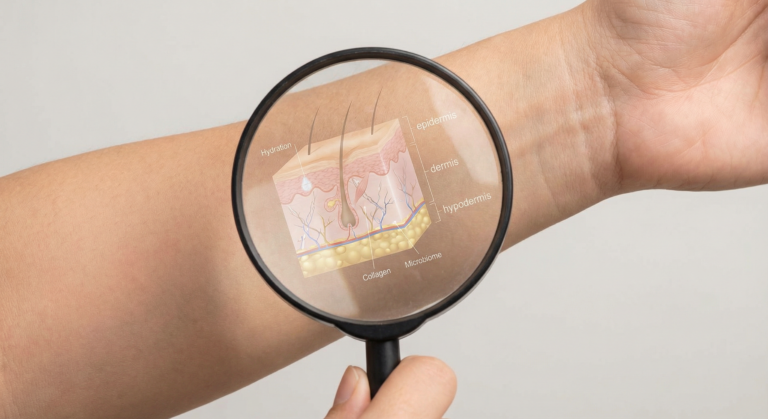
Understanding Your Skin: More Than Just a Surface
Our skin is far more complex than a simple outer layer; it is an intricate organ with multiple functions, constantly interacting with our internal and external environments. A truly effective skincare routine acknowledges and supports these natural processes, rather than attempting to override them with harsh interventions.
The Skin Barrier: Your First Line of Defence
At the forefront of your skin’s protective capabilities is the skin barrier, also known as the stratum corneum. This crucial layer is composed of skin cells (corneocytes) held together by lipids, forming a “brick and mortar” structure. Its primary role is to keep essential moisture in and harmful irritants, allergens, and microbes out. When the skin barrier is compromised, it can lead to dryness, sensitivity, inflammation, and an increased susceptibility to skin concerns. Many common skincare routine mistakes inadvertently damage this vital shield.
The Skin Microbiome: A Delicate Ecosystem
Less visible, but equally important, is the skin’s microbiome – a diverse community of bacteria, fungi, and viruses that live on its surface. This microbial ecosystem plays a significant role in skin health, contributing to immune defence and helping to maintain the skin barrier. Disrupting this delicate balance with aggressive cleansers or an overreliance on antimicrobial products can paradoxically lead to imbalances and skin issues. Supporting a healthy microbiome is an emerging aspect of healthy skin practices.
The Foundations of an Effective Skincare Routine
While the market offers an array of specialised treatments, the core tenets of an effective and sustainable skincare routine remain remarkably simple and are grounded in fundamental dermatological principles. These foundational steps prioritise skin health, balance, and protection.
Gentle Cleansing: Respecting the Skin’s Balance
Cleansing is often the first step in any skincare routine, yet it’s frequently misunderstood. The goal of cleansing is to remove impurities, excess oil, and makeup without stripping the skin of its natural lipids or disrupting its pH. Harsh cleansers, particularly those that produce excessive foam or leave the skin feeling “squeaky clean,” can damage the skin barrier, leading to dryness and irritation. Opting for a mild, pH-balanced cleanser used once or twice daily is generally sufficient for most skin types.
Essential Hydration: Supporting Barrier Function
Hydration is crucial for maintaining a healthy skin barrier and ensuring optimal skin function. Moisturisers work by trapping existing moisture in the skin, drawing water from the environment (humectants), or replenishing lost lipids. Regardless of your skin type, hydration is a non-negotiable step. Even oily skin can benefit from lightweight, non-comedogenic moisturisers to prevent compensatory oil production. Look for ingredients like ceramides, hyaluronic acid, and glycerin to support your skin’s natural moisture factors.
Non-Negotiable: Daily Sun Protection
Perhaps the most critical, yet often overlooked, component of an effective skincare routine is daily sun protection. Ultraviolet (UV) radiation from the sun is a primary driver of premature skin ageing, pigmentation issues, and can increase the risk of serious skin diseases. Applying a broad-spectrum sunscreen with an SPF of 30 or higher every morning, regardless of weather conditions, is paramount. This simple, consistent step offers profound long-term benefits for skin health and appearance, making it a cornerstone of long-term skin health.

Debunking Common Skincare Myths
The internet is a vast repository of skincare information, much of it anecdotal or based on outdated notions. Separating fact from fiction is vital for cultivating an evidence-based skincare approach. Let’s address some prevalent misconceptions that might be sabotaging your skincare routine.
Myth 1: “More Exfoliation Equals Better Skin”
Fact: While exfoliation can be beneficial for removing dead skin cells and promoting renewal, excessive or aggressive exfoliation is a leading cause of skin barrier damage. Over-exfoliating with harsh physical scrubs or high concentrations of chemical exfoliants can lead to redness, irritation, sensitivity, and even make your skin appear duller over time. The key is moderation and choosing the right type of exfoliation for your skin type, perhaps 1-3 times a week at most, depending on the product and your skin’s tolerance.
Myth 2: “Natural is Always Better for Skin”
Fact: The term “natural” in skincare is often unregulated and can be misleading. While some plant-derived ingredients are beneficial, “natural” does not automatically equate to “safe,” “gentle,” or “effective.” Many natural ingredients can be potent allergens or irritants (e.g., essential oils, certain plant extracts), and some effective synthetic ingredients are highly beneficial and well-researched. The origin of an ingredient is less important than its molecular structure, formulation, and how it interacts with the skin. A thoughtful skincare routine prioritises evidence over marketing labels.
Myth 3: “You Can Permanently ‘Shrink’ Pores”
Fact: Pore size is largely determined by genetics and cannot be permanently altered. While certain treatments and products (like retinoids or salicylic acid) can help to make pores appear smaller by keeping them clear of debris and improving skin texture, they do not physically shrink them. Focusing on pore clarity and overall skin health is a more realistic and effective approach than chasing an impossible ideal.
Navigating the Product Landscape: Ingredients vs. Marketing Claims
The sheer volume of products and ingredients available can be bewildering. A discerning approach requires looking beyond appealing packaging and catchy slogans to scrutinise what truly goes into a product and whether it aligns with dermatology advice. This involves understanding the difference between marketing claims and the actual science of ingredients.
Decoding Ingredient Lists
Learning to read an ingredient list, often provided in INCI (International Nomenclature Cosmetic Ingredient) names, is an invaluable skill. Ingredients are typically listed in descending order of concentration. This allows you to identify key active ingredients and assess their presence. For instance, if a touted “star ingredient” is listed very low down, its impact might be minimal. Prioritise formulations with well-researdes and recognised beneficial ingredients relevant to your specific skin concerns.
Beyond the Hype: Evidence-Based Choices
Rather than succumbing to the latest trend, consider ingredients with a robust body of scientific evidence supporting their efficacy. For example:
- Retinoids (Vitamin A derivatives): Gold-standard for anti-ageing, acne, and improving skin texture. Require careful introduction and consistent sun protection.
- Vitamin C (Ascorbic Acid): A powerful antioxidant that brightens skin, reduces hyperpigmentation, and supports collagen production. Stability in formulations is key.
- Niacinamide (Vitamin B3): Versatile ingredient that helps improve skin barrier function, reduce redness, minimise pore appearance, and regulate oil production.
- AHAs (Alpha Hydroxy Acids) & BHAs (Beta Hydroxy Acids): Chemical exfoliants that can improve texture and clarity. AHAs (like glycolic or lactic acid) are water-soluble and good for surface exfoliation; BHAs (like salicylic acid) are oil-soluble and excellent for congested pores.
When comparing products, focus on the concentrations of these active ingredients and the overall formulation rather than generic promises. A good skincare routine is built on thoughtful, informed choices.

Expert Perspectives: What Dermatologists Advise
When considering a skincare routine, grounding our approach in the advice of medical professionals offers a crucial layer of credibility and safety. Dermatologists, with their extensive training and understanding of skin physiology, consistently advocate for principles that often contrast sharply with widespread marketing narratives.
The Role of Professional Guidance
Dermatologists emphasise that skin is a complex organ, and what works for one person may not work for another. They often recommend starting with a simple, consistent skincare routine that addresses basic needs: cleansing, moisturising, and sun protection. For persistent or specific skin concerns such as acne, rosacea, or significant hyperpigmentation, seeking professional consultation is paramount. Self-diagnosis and self-treatment, particularly with potent ingredients, can sometimes exacerbate issues. Professionals can provide tailored advice, prescribe treatments, and guide patients through effective long-term management strategies.
A key message from institutions like the National Health Service (NHS) often centres on prevention and protection. Their guidance frequently highlights the importance of sun protection, avoiding irritants, and understanding individual skin types to prevent damage rather than just treating symptoms. [[Internal Link Suggestion: The Science of Sun Protection]] This proactive stance underscores the value of preventative long-term skin health strategies over reactive, temporary fixes.
Prioritising Skin Health Over Quick Fixes
One consistent theme from dermatological experts is the caution against unrealistic expectations and the pursuit of “quick fixes.” Real, sustainable improvements in skin health take time, consistency, and patience. Many popular skincare routine trends may offer immediate, superficial changes but can be detrimental to the skin barrier over time. Experts encourage a holistic view, considering lifestyle factors such as diet, stress management, and adequate sleep as integral components of skin well-being. Focusing on robust skin barrier function and overall skin resilience is often more beneficial than chasing flawless, poreless perfection with aggressive treatments.
Crafting Your Personalised Path to Lasting Skin Health
Moving beyond the idea of a universally “correct” skincare routine, the most effective approach is ultimately a personalised one—calibrated to your unique skin, lifestyle, and goals. It’s about cultivating healthy skin practices that stand the test of time, promoting resilience and well-being.
Listening to Your Skin
Your skin is an active organ that communicates its needs. Pay attention to how it responds to products and environmental changes. Is it feeling tight after cleansing? Is it breaking out after introducing a new ingredient? These are signals that your skincare routine might need adjustment. A good principle is to introduce new products one at a time, allowing several weeks to assess their impact before adding another. This systematic approach helps identify what genuinely benefits your skin and what might be causing issues.
Consistency and Patience: The Real Secret
The pursuit of effective skincare is a marathon, not a sprint. Significant improvements in skin texture, tone, and overall health rarely occur overnight. Consistent adherence to a gentle, protective, and hydrating skincare routine, combined with healthy lifestyle choices, is far more impactful than intermittent use of expensive or potent products. Patience allows the skin’s natural renewal processes to work and gives products sufficient time to deliver their intended benefits. Remember, the goal is sustainable long-term skin health, not fleeting perfection.
External References:
- NHS (National Health Service): For general guidance on skin health and sun protection.
- For robust advice on protecting your skin from the sun’s damaging rays, consult the guidance provided by the National Health Service on Sun Safety.
- PubMed/Research Article: To back up claims about specific ingredients or skin physiology.
- Research published in academic journals underscores the critical role of the skin barrier in maintaining overall skin health and protecting against external aggressors.
[…] […]