

TikTok Self-Diagnosis: Risks, Myths and What Experts Say
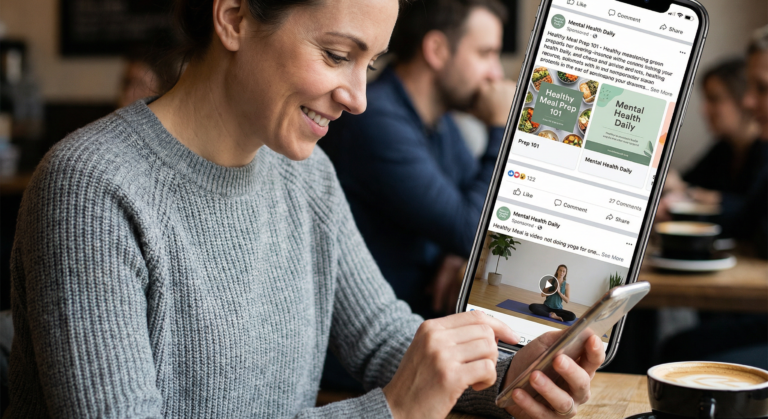
A short video appears on your feed. Within sixty seconds, a content creator describes symptoms you recognise in yourself—difficulty concentrating, mood fluctuations, social discomfort. By the end, you are half-convinced you have a condition you had never previously considered. This experience has become remarkably common. The phenomenon of TikTok self-diagnosis represents a significant shift in how people understand their health, raising important questions about accuracy, safety, and the proper role of social media in healthcare decisions.
The Rise of Health Content on Social Media
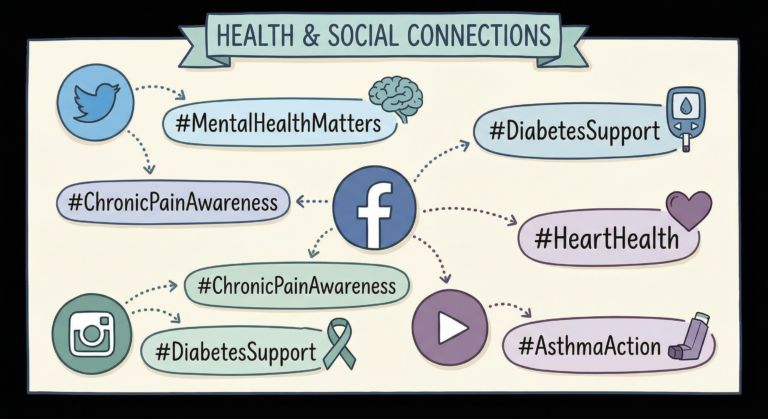
The growth of health-related content on platforms like TikTok has been extraordinary. Videos discussing mental health conditions, chronic illnesses, and neurological differences routinely accumulate millions of views. Hashtags related to conditions such as ADHD, autism, and anxiety have generated billions of impressions collectively.
This surge in digital health trends reflects genuine unmet needs. Many people struggle to access timely healthcare appointments or feel their concerns are dismissed in brief consultations. Social media offers something appealing: immediate validation and a sense of community from others who share similar experiences.
However, the algorithms that govern these platforms are designed to maximise engagement, not accuracy. Content that provokes strong emotional responses—whether recognition, relief, or alarm—tends to spread more widely than measured, nuanced information. This creates an environment where health misinformation can flourish alongside genuinely helpful content.
Why TikTok Self-Diagnosis Feels Convincing
Several psychological factors explain why social media health advice can feel so persuasive. The Barnum effect—our tendency to accept vague, general statements as personally meaningful—plays a significant role. Symptoms like “feeling overwhelmed” or “struggling with organisation” apply to most people at various times, yet they can seem like profound revelations when framed as diagnostic criteria.
Health content creators often speak with confidence and personal authority. Their lived experience lends authenticity, and their presentation style—direct, relatable, emotionally resonant—differs markedly from the formal communication typical of healthcare settings. This can make online self-diagnosis risks seem minimal compared to the perceived barriers of seeking professional evaluation.
The format itself matters. Short videos necessarily simplify complex conditions. Diagnostic criteria that clinicians interpret within broader contexts become isolated checkboxes. The nuance required for accurate diagnosis—understanding symptom duration, severity, functional impact, and alternative explanations—rarely survives the compression into sixty-second content.
Conditions Most Commonly Self-Diagnosed Online
Certain conditions appear with striking frequency in TikTok self-diagnosis discussions:
Attention Deficit Hyperactivity Disorder (ADHD)
Content describing ADHD symptoms has become extraordinarily prevalent. Videos often highlight experiences like difficulty focusing, losing items frequently, or feeling restless. While these descriptions may accurately reflect aspects of ADHD, they also describe experiences common to anxiety, depression, sleep deprivation, and typical human variation.
Autism Spectrum Conditions
Similar patterns exist with autism-related content. Creators describe social difficulties, sensory sensitivities, and communication differences. Again, these experiences are genuine but not necessarily indicative of autism specifically. Professional assessment involves extensive evaluation that social media content cannot replicate.
Mental Health Conditions
Anxiety, depression, bipolar disorder, and personality disorders feature prominently. The accessibility of mental health TikTok content has arguably reduced stigma, yet it has also contributed to diagnostic terms being applied casually to ordinary emotional experiences.
The Genuine Benefits: A Balanced View
Dismissing all social media health content as harmful would be neither accurate nor fair. There are legitimate benefits worth acknowledging:
Increased awareness: Many people first recognise that their experiences may warrant professional attention through online content. This can prompt valuable conversations with healthcare providers.
Community and validation: Finding others who share similar struggles reduces isolation. This peer support can complement professional care meaningfully.
Accessibility: For those facing barriers to healthcare access—whether geographical, financial, or systemic—online information provides a starting point that would otherwise be unavailable.
Reduced stigma: Open discussion of previously taboo conditions has helped normalise seeking help for mental health concerns.
The difficulty lies in distinguishing helpful starting points from harmful endpoints. Symptom checking online becomes problematic when it replaces rather than precedes professional evaluation.
Risks and Trade-Offs of Self-Diagnosis
Potential Benefits
- Earlier recognition of symptoms
- Motivation to seek professional help
- Language to describe experiences
- Connection with supportive communities
- Reduced shame about health concerns
Potential Risks
- Misidentification of conditions
- Delayed or avoided professional assessment
- Inappropriate self-treatment
- Anxiety from health-focused algorithms
- Identity formation around unconfirmed diagnoses
The balance between these outcomes depends significantly on what happens after initial exposure. Using social media content as a prompt for professional consultation differs substantially from treating it as a definitive answer.
Myth vs Fact: Common Misconceptions
Myth: If symptoms match a TikTok description, the diagnosis is likely correct
Fact: Symptom overlap between conditions is extensive. Many mental health and neurological conditions share features, and only comprehensive assessment can differentiate between them accurately. A study published in the Canadian Medical Association Journal found that the majority of popular ADHD-related TikTok content contained misleading information.
Myth: Healthcare professionals dismiss concerns raised from online research
Fact: Most clinicians welcome informed patients and value understanding what has prompted someone to seek evaluation. Presenting observations respectfully as questions rather than conclusions typically leads to productive discussions.
Myth: Professional diagnosis is merely confirming what patients already know
Fact: Diagnostic processes exist because accurate identification requires training and structured assessment. Self-perception, while valuable, has documented limitations. Conditions frequently co-occur or mimic one another in ways that complicate self-assessment.
Myth: Algorithms show you what is relevant to your health
Fact: Algorithms show you what maximises engagement. After watching one health-related video, platforms typically suggest similar content, creating echo chambers that can reinforce self-diagnosis beliefs regardless of accuracy.
What Experts Say About Social Media Health Content
Healthcare professional advice on this topic tends toward nuance rather than outright condemnation.
The Royal College of Psychiatrists has acknowledged that social media can help people recognise symptoms, while emphasising that professional assessment remains essential for accurate diagnosis and appropriate treatment.
Research published through the National Institute for Health and Care Excellence (NICE) framework underscores that diagnostic criteria require clinical interpretation. Symptoms listed in isolation lack the contextual analysis that distinguishes between conditions.
The World Health Organization has expressed concern about health misinformation online generally, calling for improved digital health literacy among the public.
Mental health professionals interviewed for various studies consistently report increases in patients presenting with self-diagnosed conditions, sometimes accurately identified and sometimes not. Their general recommendation: bring your observations to appointments, but remain open to professional perspectives that may differ from initial assumptions.
External Reference 1: NHS guidance on finding reliable health information online
External Reference 2: NICE Evidence Standards Framework for Digital Health Technologies
How Algorithms Shape Health Perceptions
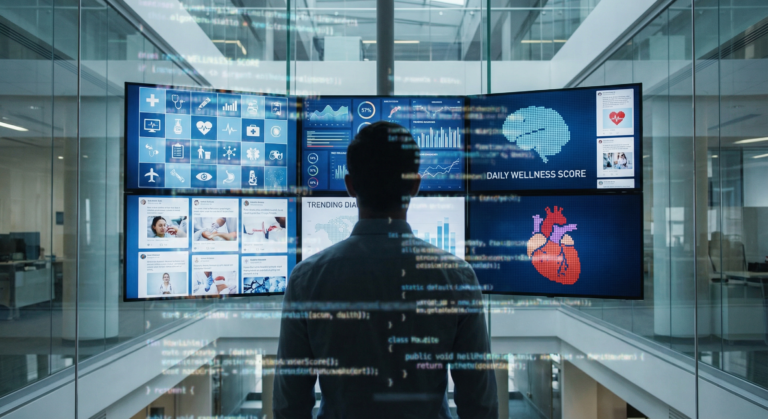
Understanding algorithm health content patterns helps explain why TikTok self-diagnosis has become so prevalent. These systems are designed to identify interests and serve more of what captures attention.
Once you watch a video about ADHD, similar content appears repeatedly. This creates an immersive environment where a particular diagnosis seems increasingly relevant and common. The diversity of possible explanations for your experiences narrows artificially.
This filter bubble effect can distort perception of how common conditions are and how closely your experiences match diagnostic criteria. Balanced information about alternative explanations rarely penetrates once algorithmic patterns establish themselves.
Practical Guidance: Navigating Health Content Responsibly
For those encountering health information on social media, several approaches can help maintain perspective:
Document, don’t diagnose: Note observations about your experiences without attaching diagnostic labels. This information becomes valuable for clinical discussions without prematurely closing off possibilities.
Seek qualified evaluation: If content resonates significantly, consider this a prompt to consult healthcare professionals rather than a conclusion. GP appointments, while sometimes difficult to obtain, provide access to appropriate referral pathways.
Diversify information sources: Consult reputable sources beyond social media. NHS online resources, established mental health charities, and peer-reviewed information offer more reliable foundations.
Maintain critical distance: Remember that content creators, however well-intentioned, are not clinicians assessing your individual situation. Their experiences, while valid, may not apply to yours.
Consider the algorithm: Recognise that increased content about a condition reflects platform mechanics, not necessarily relevance to your health.
Final Thoughts: Finding Balance in the Digital Health Landscape
The phenomenon of TikTok self-diagnosis reflects genuine tensions in contemporary healthcare. Systems that feel inaccessible or dismissive push people toward alternatives, and social media fills that gap with remarkable efficiency.
Yet efficiency is not accuracy. The same features that make social media health advice appealing—its immediacy, relatability, and simplicity—also make it unreliable for diagnostic purposes. The careful, contextual work of clinical assessment cannot be replicated in short-form video content.
The most constructive approach treats online health content as one input among many, valuable for raising awareness but insufficient for reaching conclusions. Professional evaluation remains the appropriate pathway for diagnostic clarity and treatment planning.
In an information environment where viral health trends can reach millions within days, cultivating discernment becomes essential. The goal is neither uncritical acceptance nor reflexive dismissal, but thoughtful engagement that recognises both the possibilities and the limitations of digital health information.
[…] […]