

Ozempic vs. Wegovy: Miracle Weight Loss or a Dangerous Shortcut?
This content is for educational purposes only. Always consult a qualified healthcare professional before starting any prescription medication.
Let’s remove the noise, the marketing hype, and the half‑truths.
Weight‑loss injections have become one of the most searched health topics in recent years. Ozempic and Wegovy dominate conversations about obesity treatment, medical weight loss, and metabolic health. Some people call them life‑changing. Others call them dangerous shortcuts.
The truth sits somewhere in between.
This guide explains what Ozempic and Wegovy really are, how they work, their side effects, costs, eligibility, risks, and what happens when you stop—without exaggeration, fear‑mongering, or sales pressure.
What Are Ozempic and Wegovy?
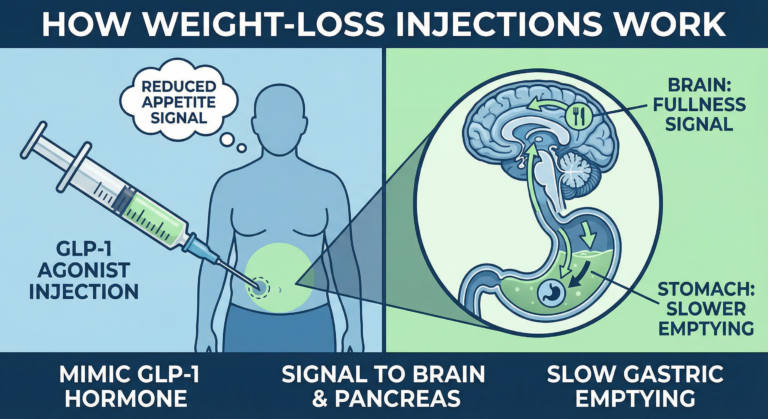
Ozempic and Wegovy are injectable prescription medications containing semaglutide, a GLP‑1 receptor agonist. These drugs were originally developed to improve blood sugar control but were later found to significantly reduce body weight.
GLP‑1 medications work by:
- Slowing stomach emptying
- Reducing appetite
- Increasing feelings of fullness
- Lowering blood sugar spikes
Because of these effects, people naturally consume fewer calories without conscious restriction.
Despite sharing the same active ingredient, Ozempic and Wegovy are not interchangeable.
Ozempic vs Wegovy: Key Differences Explained
Feature | Ozempic | Wegovy |
Active ingredient | Semaglutide | Semaglutide |
Primary approval | Blood sugar management | Chronic weight management |
Maximum dose | Lower | Higher |
Typical weight loss | Moderate to high | High |
Long‑term use | Often ongoing | Often ongoing |
Wegovy is specifically dosed and studied for obesity treatment, while Ozempic is frequently prescribed off‑label for weight loss due to availability and cost differences.
How These Weight‑Loss Injections Actually Work
Semaglutide mimics a hormone naturally released after eating. This hormone communicates with the brain’s appetite‑regulation centre, reducing hunger signals.
Unlike stimulant‑based weight‑loss drugs, semaglutide does not increase heart rate or energy artificially. Instead, it changes how the body perceives hunger.
However, appetite suppression also affects:
- Muscle preservation
- Food enjoyment
- Social eating patterns
This is why medical supervision matters.
Who Typically Qualifies for These Medications?
These injections are generally intended for adults who:
- Have obesity based on BMI criteria, or
- Have overweight combined with weight‑related health conditions such as:
- Type 2 diabetes
- High blood pressure
- High cholesterol
- Sleep apnoea
They are not cosmetic weight‑loss tools and are not designed for short‑term dieting.
Who Should Avoid Ozempic or Wegovy?
These medications may be unsafe for individuals with:
- Certain thyroid conditions
- Severe gastrointestinal disorders
- History of pancreatitis
- Pregnancy or breastfeeding
- Specific endocrine syndromes
Medical screening is essential before starting treatment.

Real‑World Weight‑Loss Results
Clinical studies and real‑world usage show:
- Average weight loss ranges from 10–20% of body weight
- Higher doses lead to greater weight reduction
- Results vary widely between individuals
Weight loss usually stabilises after several months.
Important reality check: most people regain weight after stopping unless lifestyle changes are maintained.
Side Effects: What Patients Experience in Reality
Common Side Effects
- Nausea
- Vomiting
- Diarrhoea
- Constipation
- Bloating
- Fatigue
These often appear during dose escalation.
Less Common but Serious Risks
- Gallbladder issues
- Pancreatitis
- Kidney strain from dehydration
- Rapid muscle loss
Psychological and Social Effects
Many users report:
- Reduced pleasure from food
- Difficulty eating socially
- Anxiety about stopping treatment
- Emotional distress if weight returns
These effects are rarely discussed but very real.
The Cost Reality of Weight‑Loss Injections
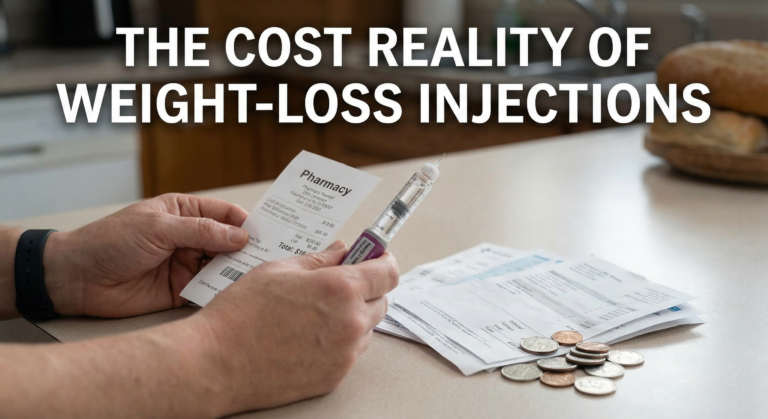
The financial commitment is significant.
Expenses may include:
- Monthly medication costs
- Initial medical consultations
- Follow‑up appointments
- Blood tests and monitoring
Annual costs can easily reach thousands, making this a long‑term decision rather than a temporary experiment.
Buying Ozempic or Wegovy Safely
Legitimate access requires:
- A prescription
- Medical evaluation
- Regulated pharmacies
Red Flags to Avoid
- No prescription required
- Unverified online sellers
- Social‑media‑based offers
- Prices far below market range
Counterfeit semaglutide products exist and may contain unsafe or inactive substances.
Off‑Label Use: The Ethical Debate
Ozempic is often prescribed off‑label for weight loss. This is legal but controversial.
Arguments supporting off‑label use:
- Accessibility issues
- Same active ingredient
- Patient need
Arguments against:
- Medication shortages
- Different dosing studies
- Long‑term safety concerns
This debate remains unresolved.
What Happens When You Stop the Injections?
Stopping semaglutide typically leads to:
- Increased appetite
- Gradual weight regain
- Metabolic adaptation
This does not mean the treatment failed. It highlights that obesity is a chronic condition, not a temporary problem.
Long‑term success depends on:
- Nutrition habits
- Physical activity
- Muscle maintenance
- Psychological support
Are These Injections a Miracle Cure?
No.
They are tools, not cures.
They help regulate appetite but do not replace:
- Balanced nutrition
- Movement
- Sleep
- Stress management
Used responsibly, they can improve health outcomes. Used casually, they can create dependency and disappointment.

Final Verdict: Should You Consider Ozempic or Wegovy?
Consider them if:
- You meet medical criteria
- You understand long‑term commitment
- You accept potential side effects
- You can afford sustained treatment
Think carefully if:
- You expect rapid cosmetic weight loss
- You cannot maintain lifestyle changes
You want a short‑term solution
The Bottom Line
Ozempic and Wegovy are powerful medical weight‑loss injections backed by science. They reduce appetite, support metabolic control, and help many people lose significant weight.
They are also expensive, require long‑term use, and come with real physical and psychological effects.
Anyone considering these medications deserves clarity, honesty, and medical supervision—not hype or fear.
Informed decisions lead to safer outcomes.
Frequently Asked Questions
Are Ozempic and Wegovy the same medication?
They contain the same active ingredient but differ in dosing and approved use.
How much weight can you lose?
Results vary, but many people lose 10–20% of their body weight.
Do you regain weight after stopping?
Most people regain some weight unless lifestyle changes are maintained.
Are weight‑loss injections safe?
They can be safe when prescribed appropriately and monitored medically.
[…] Ozempic vs. Wegovy: Miracle Weight Loss or a Dangerous Shortcut? […]